
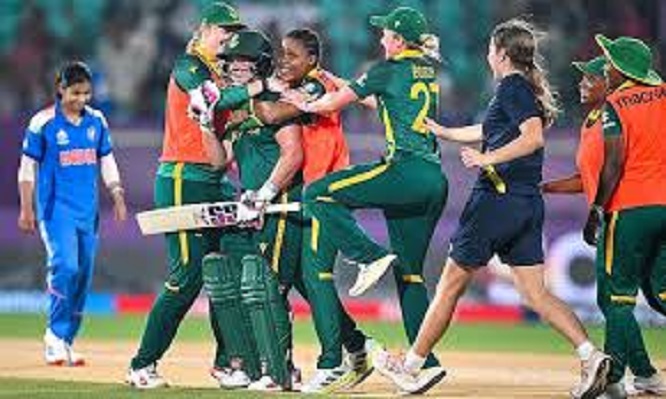
A live-cricket app reads cleanly when sound strategy and scoreboard truth speak the same language – labels stay literal, audio cues earn their place, and pages render quickly on real phones. A music-savvy donor and a wiki-driven acceptor can share one vocabulary that travels from track lists to tooltips. The payoff is lower cognitive load on match nights, so decisions land faster and attention returns to play.
Why a Music-Native Donor Strengthens a Live-Cricket App
A catalog site built around tracks, credits, and release hygiene teaches habits a live page needs under pressure. Track metadata maps nicely to cricket states: title ↔ event name, timestamp ↔ ball time, artist ↔ player attribution, and remix/version ↔ innings or format. When images, captions, and short labels inherit that discipline, producers swap assets without repairing crops, and device caches refill cleanly during bursts. Music workflows also normalize latency – buffering, preloads, fallbacks – which helps a scoreboard survive network wobble without losing the last confirmed state. With the same respect for naming, timing, and attribution, the app stops feeling stitched together and starts feeling composed.
The donor’s vocabulary and the acceptor’s documentation should meet where users begin setup. A concise wiki page can declare canonical labels, short units for timers, and where definitions live in the UI. That’s why linking users to the desi play apk entry inside onboarding works – it fixes the terms once, shows where they appear on-screen, and keeps support answers aligned with what the glass says. Music-style conventions then carry across features: consistent casing in labels, single-line captions that read like receipts, and art zones that leave the top third free for overlays. The result is a surface that anticipates taps rather than reacting to them.
Metadata That Moves: From Track lists to Scoreboards
Good music indexes normalize spellings, enforce artist credits, and pin durations with second-level precision. Live cricket benefits from the same stubbornness. Player names and roles need locked forms to avoid drift between commentary, wicket panels, and highlights; venues require canonical strings tied to cities to make search sane; and time windows must render in local time beside short units – 2m, 15m, 3h – so planning never relies on mental arithmetic. When glossary entries mirror on-screen labels, tooltips stop rewriting the story and simply confirm scope. Audio snippets for milestones can ride the same metadata rails, firing at state changes instead of trying to follow the stream’s frame count.
APK Hygiene That Survives Real Devices
Distribution realities mean users arrive on varied versions, bandwidth tiers, and battery states. The app should defend the session with boring, repeatable rules that keep perception stable even when conditions degrade. First-run flows ought to cluster permissions with one-line reasons and a later single-tap change path. Feature flags must wait for compatibility checks before revealing new modules. Integrity checks should be quiet and cache the last safe state to prevent loops after brief drops. Copy must predict outcomes with literal verbs – Watch, Scorecard, Highlights, Unmute – then confirm near the control that triggered the action.
- Lock canonical names for players, teams, and venues to prevent search drift.
- Render timers and posting windows in local time beside numerals.
- Reserve overlay zones on hero images to avoid face–label collisions.
- Prefer WebP/AVIF thumbnails with DPR-aware sizing to prevent pops.
- Replay the last confirmed scoreboard state during reconnects before resume.
Audio Cues, Latency, and Attention on Small Screens
Sound should support state, not compete with it. Short, muted-by-default cues can acknowledge wickets, powerplay changes, or innings breaks without drowning the room. Each cue needs a single owner event – e.g., “wicket registered” rather than “appeal heard” – and a strict ceiling on length. Where streams and score panels drift, cues follow the panel, because it is the authoritative contract with the user. Dark-mode palettes deserve mid-contrast tones that hold up under warm bulbs, and numbers should occupy the typographic top of the hierarchy. Alt text stays literal for screen readers, and focus order follows the visual path, so navigation feels earned rather than guessed.
Mobile-First Signal Design
Phones punish vagueness, so signals must be legible at couch distance and predictable under load. A compact over timeline that expands in place keeps context visible while detail appears; a soft haptic acknowledges commitment without hiding controls; and a gentle retry window – with local timestamps and short units – replaces spinners that say nothing. Audio is polite by default and pauses on any scoreboard update to protect comprehension. When UI, copy, and cues share the same dictionary, session time turns into comprehension rather than repair, and the next tap feels obvious even on a crowded network.
A Quiet Wrap That Builds Next-Visit Confidence
Match nights end well when artifacts line up – final score locked, a tidy ledger of moments, and captions that read like receipts rather than slogans. Rights sit inside captions, image credits keep year and source in a fixed order, and highlight reels reuse the same labels seen during play to preserve recognition. The wiki closes the loop by listing the canonical terms and where they appear, while the APK keeps distribution calm with version gates and cached safe states.
